
“The doors of heaven and hell are adjacent and identical.”
Nikos Kazantzakis (“The Last Temptation of Christ”)
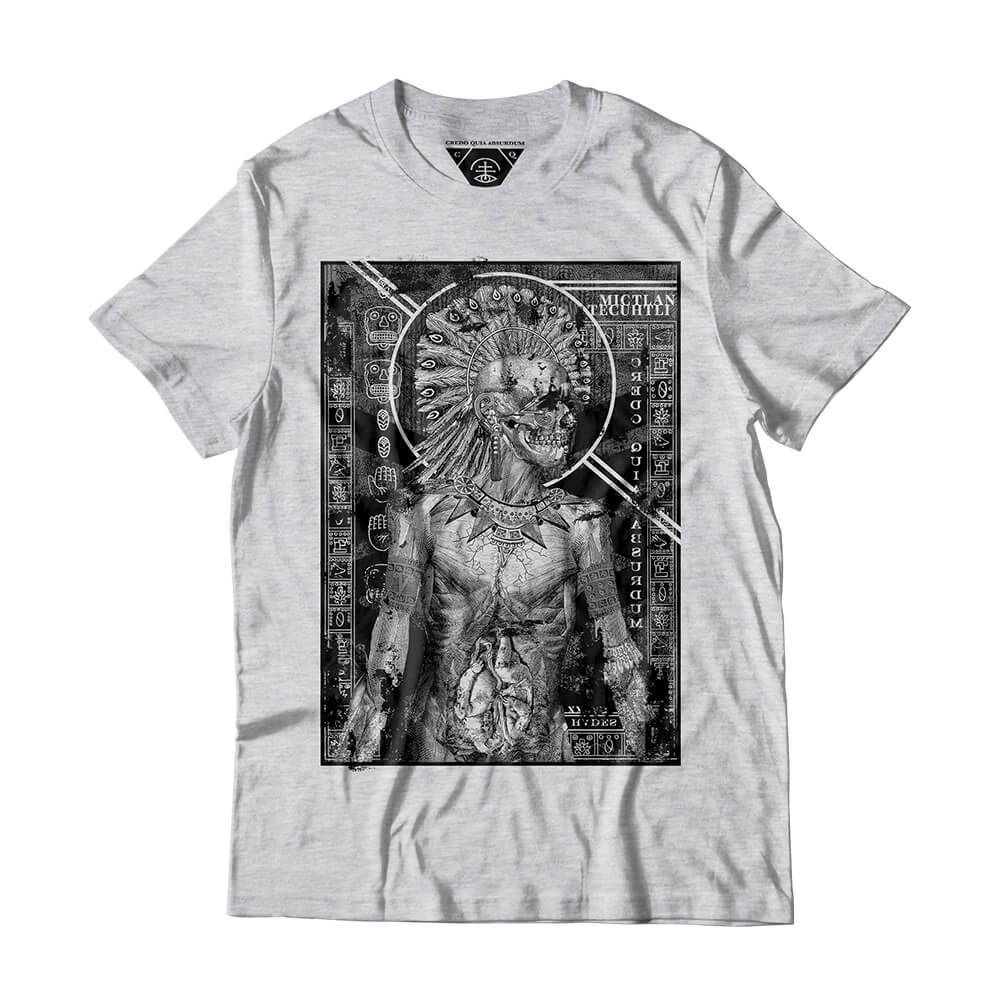
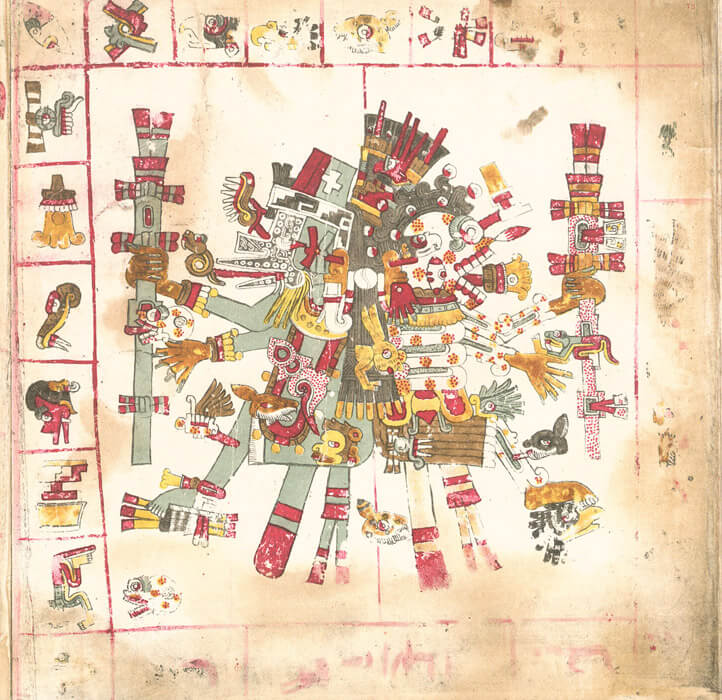
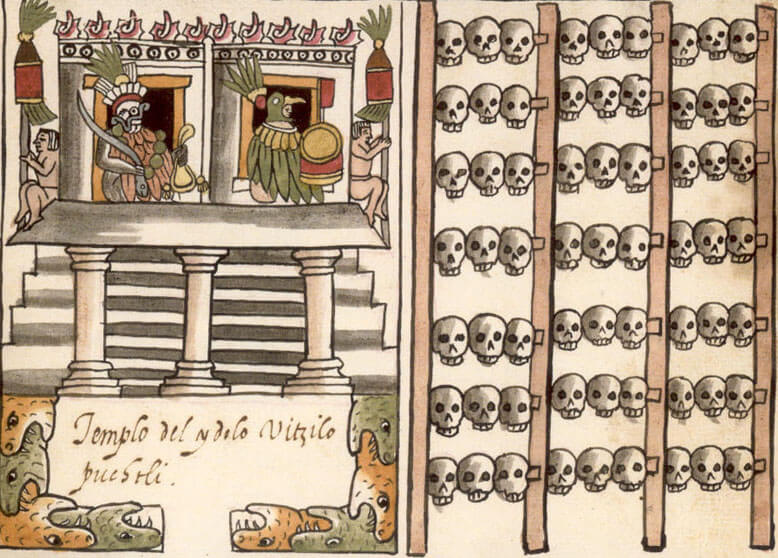
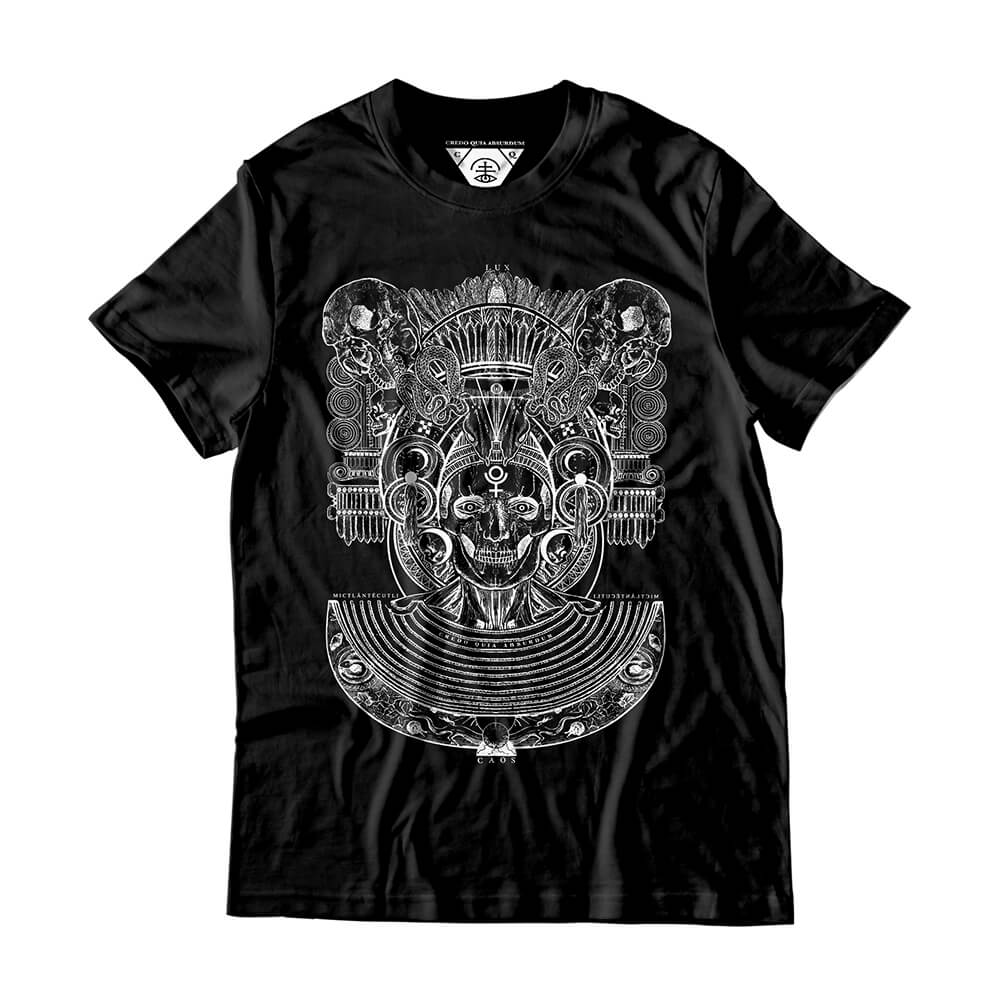
Mictlāntēcutli was known as the Aztec Lord of Mictlan (Land of Dead) and was worshiped across of Mesoamerica. He was usually portrayed as a skeleton or covered in bones. We believe that a very skinny man with an undead face should look more grotesque and frightful, gathering all the ugliness in the world to express his evilness. According to platonic ethics “Beauty” is the manifested form of “Good” in a spiritual context and, therefore, the matter (in opposition to the spirit) is full of “Evil” and declares a clear identification with the “Ugliness” (Plotinus).
That same format has been repeated in Art over the centuries to provide easy identification of the characters on the canvas/screen by the public. The “good ones” are (usually) charming, elegant, and attractive while the “bad guys” are disgusting, repulsive, and hideous.
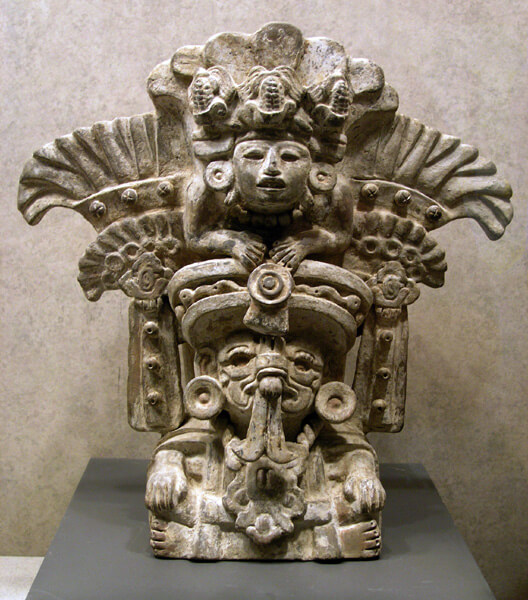
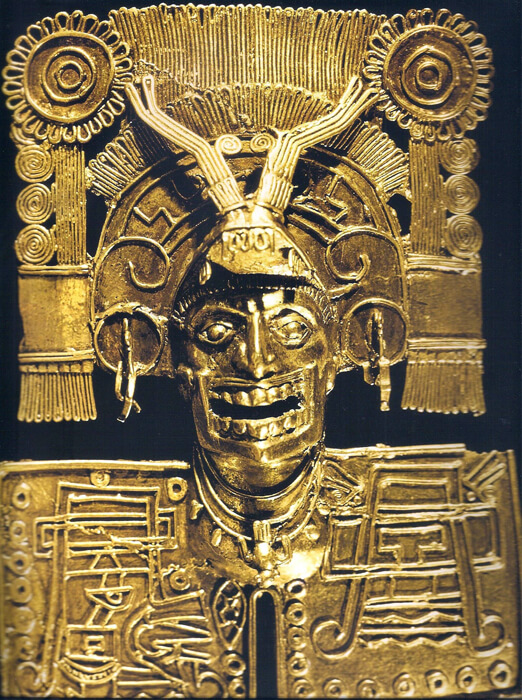
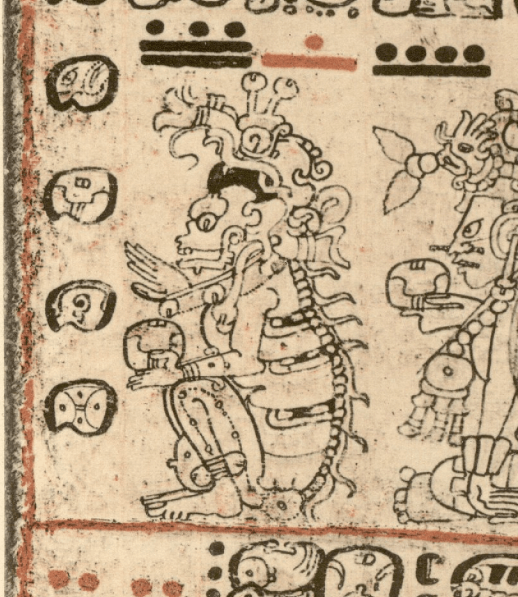
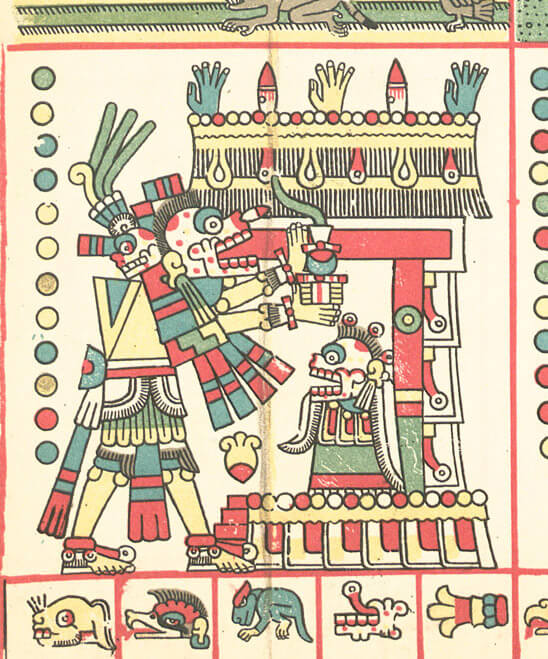
Mythologically speaking, it is particularly easy to find similarities with other deities from many other cultures; from Hades to Ereshkigal, Orcus, Yama, Hel, Yum Cimil, or even Satan. Most of them reveal the same antagonistic side, the enemies of the light, enemies of life itself. For that reason, we unified them into one character only: Mictlāntēcutli, keeping his common attributes and garments. Our most important reference was a golden mask depicting him, the same mask you can see in the visual references.
Mictlāntēcutli is no more than a mirror of ourselves, lord and guardian of our darkest memories. Poisoner and corrupter is his own nature, not by pleasure but by an obscure and irrational impulse. He too, awaits for you, for the light from the surface to break down his bounds to swampy dark waters of our subconscious minds.
In this case, we’ve incorporated the Aztec god Quetzalcóatl, who was the Mictlāntēcutli’s nemesis and counterpart, defined by the fancy headdress that reminds a solar halo ornamented with long feathers.
These two characters are portrayed as the twin fetus in his entrails, symbols of rebirth and hope. The two unborn offspring seem to embody an abstract Yin-Yang where the two gods find their balance – light and dark in one shape.
Then, as well as the Mesopotamian goddess Inanna, who descended to the underworld to find her sister Ereshkigal, you must face your Mictlāntēcutli, your dark reflection, to make peace with him, uniting Abyss and Heaven in one world only.
Similarly to Dante’s voyage through the circles of Hell (Katabasis), many damned forces will challenge you, to provoke your judgment, to seduce you. It is essential to ignore those desperate cries and move ahead, towards the core where the most hideous beast is kept chained.
“And I saw an angel come down from heaven, having the key of the bottomless pit and a great chain in his hand. And he laid hold on the dragon, that old serpent, which is the Devil, and Satan, and bound him a thousand years, And cast him into the bottomless pit, and shut him up, and set a seal upon him (…)”
Revelation 20:1-3 (KJV).
That same angel, described in the Bible, this being of pure light is simultaneously the voice of our rational mind, silencing our emotional side, chaining our traumas, doubts, and fears in the deepest pit to avoid them from reaching the surface. However, that luggage filled with our past experiences has to find the light through a deep and transformative process that allows us to solve our inner conflicts instead of masking them.
 No products in the cart.